How Algorithms Learn
Day 17 of 90 Days DataBytes
Algorithms.
One of the most popular buzzwords in computer science.
Even people outside tech use the term regularly:
“The algorithm will push your video.”
“YouTube’s algorithm recommended this video.”
“My feed algorithm has adapted to my interests.”
But what exactly is an algorithm?
And how does it seem to know what we like?
Do algorithms really learn, or is that just another misconception?
Welcome to Day 17 of 90 Days DataBytes.
What Is an Algorithm?
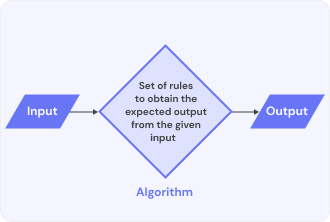
I like to think of an algorithm as a set of instructions organized to complete a task.
To achieve this, a large problem is broken down into smaller steps that can be solved one after another until the final goal is achieved.
In computer science, algorithms are much more formal.
As Kassiani Nikolopoulou defines it:
“In the context of computer science, an algorithm is a mathematical process for solving a problem using a finite number of steps.”
Algorithms are at the heart of every computer program. They power navigation systems, search engines, recommendation systems, banking applications, and even the social media platforms we use daily.
In simple terms:
An algorithm is a step-by-step procedure that tells a computer how to solve a problem or perform a task.
Why Are Algorithms Important?
The University of York describes the purpose of algorithms as helping systems arrive at the best possible solution efficiently and consistently.
Think about it:
When you search for a song on Spotify, ask Google a question, or open Instagram, there are millions of possible results available.
Without algorithms, computers would have no efficient way to determine what information is most relevant to you.
Algorithms help organize, prioritize, and deliver the most useful results within seconds.
Types of Algorithms
There are many different types of algorithms, each designed for different kinds of problems.
Some common examples include:
· Brute Force Algorithms – try every possible solution until the correct one is found.
· Greedy Algorithms – make the best immediate choice at every step.
· Divide and Conquer Algorithms – break a problem into smaller pieces, solve them separately, and combine the results.
Entire courses are dedicated to studying these algorithms, so we won’t dive deeply into them today.
Are Algorithms the Same as Artificial Intelligence?
Well, not exactly.
Every AI system uses algorithms, but not every algorithm is AI.
Think of it this way:
A traditional algorithm follows a predefined set of instructions created by a programmer.
For example:
A calculator follows mathematical rules to add two numbers.
No learning is involved.
Artificial Intelligence, however, uses specialized algorithms that can identify patterns in data and improve their performance over time.
Instead of simply following fixed instructions, these algorithms can adjust their behavior based on what they learn from data.
You can think of AI as a collection of advanced algorithms working together to perform tasks that typically require human intelligence.
So, How Do Algorithms Learn?
This is where things get interesting.
Not all algorithms learn.
The calculator on your phone does not learn.
The algorithm used to sort numbers does not learn.
However, machine learning algorithms are specifically designed to learn from data.
Earlier in this series, we discussed three major categories of machine learning:
· Supervised Learning
· Unsupervised Learning
· Reinforcement Learning
These learning algorithms improve by analyzing data and identifying patterns within it.
For example:
Imagine you frequently watch basketball highlights on YouTube.
You click basketball videos.
You watch them to the end.
You like and share them.
Over time, the platform collects these interactions as data.
The recommendation algorithm notices a pattern:
“This user seems interested in basketball.”
As a result, it begins recommending more basketball-related content.
The more data it receives, the better it becomes at predicting what you might enjoy.
This process happens across many platforms:
· Netflix learns your viewing preferences.
· Spotify learns your music taste.
· Amazon learns your shopping habits.
· TikTok learns the type of content that keeps you engaged.
The algorithm isn’t “thinking” like a human.
It is simply finding patterns in data and using those patterns to make better predictions.
The Learning Cycle
Most AI systems learn through a process that looks something like this:
1. Collect Data – Gather information from user interactions.
2. Process Data – Clean and organize the information.
3. Train the Model – Use the data to identify patterns.
4. Make Predictions – Recommend content, products, or actions.
5. Receive Feedback – Observe how users respond.
6. Improve Performance – Update the model using new data.
This cycle repeats continuously, allowing the system to improve over time.
Algorithms are everywhere.
They help us navigate roads, discover music, find information online, and personalize our digital experiences.
Most algorithms simply follow instructions.
But machine learning algorithms go a step further: they learn from data, identify patterns, and improve their predictions over time.
The next time someone says, “The algorithm knows me too well,” you’ll understand what’s happening behind the scenes.
It’s not magic.
It’s data, patterns, and mathematics working together.
Think about the apps you use most frequently.
Can you identify ways their algorithms learn from your behaviour?
Share one example in the comments, and let’s discuss how data powers the digital experiences we enjoy every day.
Keep learning. Keep building. Keep thriving.
— Michael Ilenikhena
Subscribe to follow the journey as I explore, learn, and build at that intersection—one DataByte at a time.